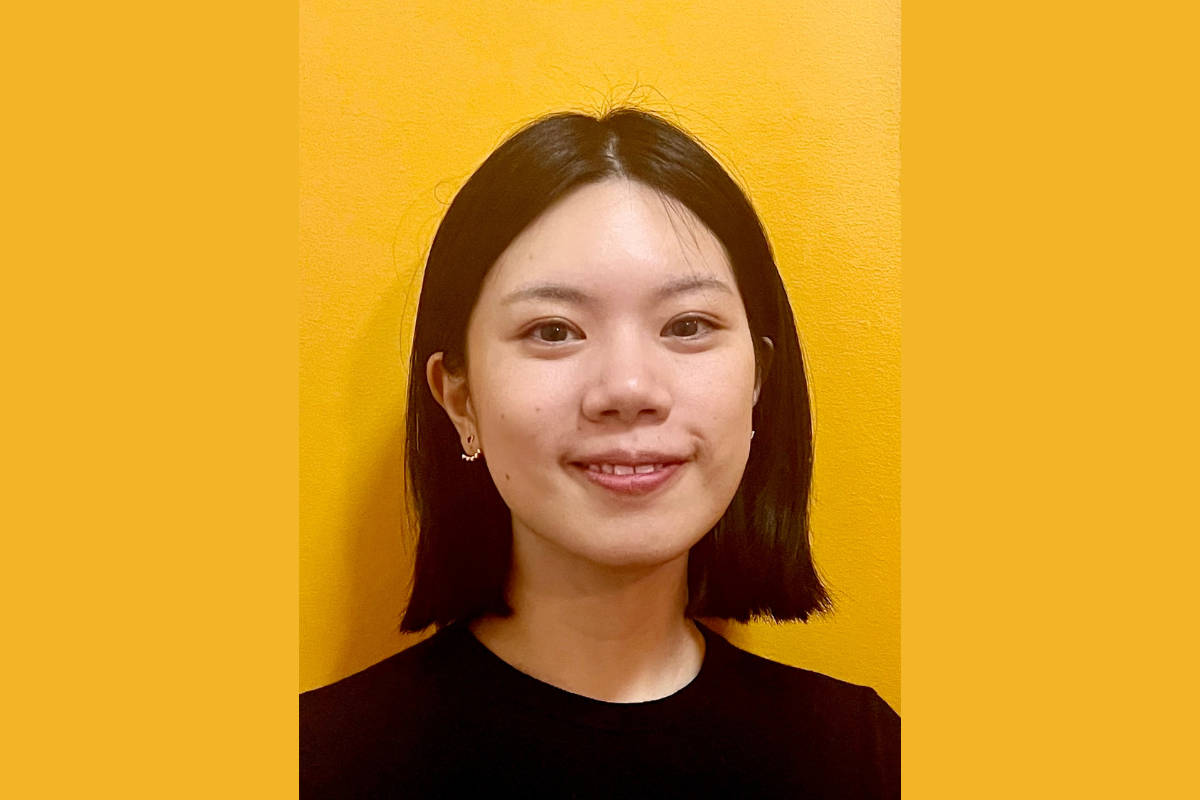
CHARLOTTESVILLE, VA (CVILLE RIGHT NOW) – Dr. Ziqiao Wang, assistant professor of Genome Sciences at UVA, has released findings of a joint cohort with John Hopkins University that establish a new guide to help explain the appearance and contributing factors of autism spectrum disorders in children, along with other childhood conditions.
Dr. Wang and her collaborators created what they refer to as a “statistical framework,” according to a UVA Health release, that they have named PGS-TRI. The framework quantifies a series of influences that affect a child’s health as they grow up, both within themselves as well as accrued from their parents.
Wang and her team analyzed 18,000 families, including autistic children and their parents, within several different ancestral populations. They aimed to separate the role of genetic data from environmental influences. The effect that parents’ own genetic makeup has on risk factors for their children was also of particular interest to the researchers.
The resulting findings validated the existing polygenic testing framework, already employed to assess autism risk.
According to the data, polygenic tests were the most accurate in North American, European, and South Asian individuals, and less accurate in those from East Asia and Africa.
The analysis also found that the genetic susceptibility of mothers for certain characteristics like obesity and some neurocognitive traits increases autism risk.
PGS-TRI also pinpointed a particular gene, known as the CADM2 gene, as a place for researchers to develop insight into ways in which autism can be prevented in children.
“Traditionally, genetic studies focus on the ‘direct effects’ of genes passed from parent to child.” Dr. Wang said in a department release. “PGS-TRI analyzes families, both parents and children, to figure out which health effects come directly from your genes versus which come from the environment your parents created.”
Dr. Wang mentioned that the result of the study proves the need for diverse backgrounds in research subjects, so that any medical insight gleaned has the potential to benefit all patients.
“We hope that PGS-TRI will empower researchers to look beyond just the DNA a child inherits and start understanding the broader family environment that shapes their health, leading to more personalized and effective ways to support children with complex conditions like autism,” Wang said.
More information on the tool as described by the project lead, Dr. Nilanjan Chatterjee of Johns Hopkins Department of Biostatistics, can be found here. PGS-TRI itself can be accessed here.